Is the Japan Rail Pass Worth It in 2026?
Prices and rules checked September 30, 2026.
Planning a trip to Japan comes with a lot of decisions. Where should you stay? How long can you stay? How many cities can you realistically visit? Is the Japan Rail Pass worth it?
The idea sounds pretty tempting: buy one pass and use it to explore Japan by train. Only problem is its pretty expensive. So is it worth it? Before you add it to your travel budget, there’s one thing you should know: the JR Pass is only a good deal if it makes sense for your actual itinerary.
For example, a Tokyo–Kyoto round trip tickets are usually less expensive than the pass. So if that is all you are using it for, not worth it. But if you’re covering much longer distances within a short period, the JR pass can be a deal.
Instead of planning your entire vacation around getting your money’s worth, let us decide based on your desired itinerary.
Need more First Time Travel Tips – Let Us Help You Plan Your Trip!
How much does the Japan Rail Pass cost in 2026?
These are the adult prices when buying through the official JAPAN RAIL PASS website:
| Duration | Ordinary | Green Car |
|---|---|---|
| 7 days | ¥50,000 | ¥70,000 |
| 14 days | ¥80,000 | ¥110,000 |
| 21 days | ¥100,000 | ¥140,000 |
An important change takes effect October 1, 2026: prices increase for purchases through overseas JR-designated agencies like Klook and local travel agencies. Official website prices remain unchanged.
| Duration | Agency Ordinary, from Oct. 1 | Agency Green Car, from Oct. 1 |
|---|---|---|
| 7 days | ¥53,000 | ¥74,000 |
| 14 days | ¥84,000 | ¥116,000 |
| 21 days | ¥105,000 | ¥147,000 |
This post contains affiliate links. If you book or buy through them, we may earn a commission at no extra cost to you. Thank you for supporting Japanic Attack!
Children’s prices are also available; use the official table for your purchase channel.
Buying through the official JR website also allows online seat reservations before collecting the pass. That can be useful when weighing where to buy. Carry your passport when using the pass.
What does the JR Pass cover?
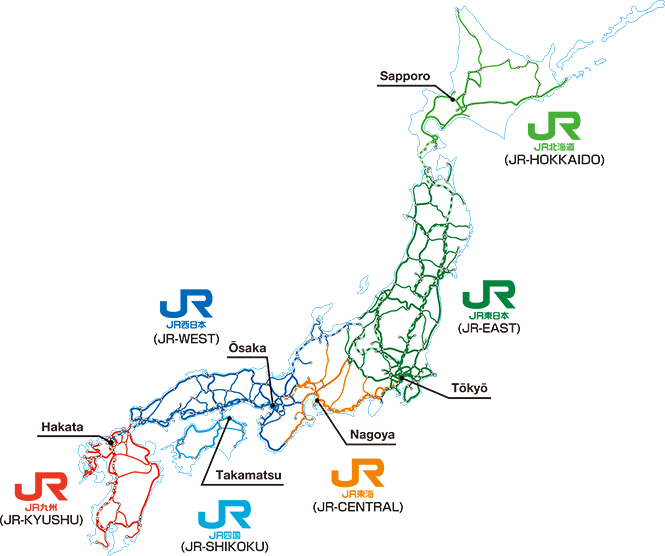
The JR Pass is a nationwide pass that covers most JR trains, including eligible Shinkansen, limited express services, and local JR lines. It also includes the Tokyo Monorail and the JR West Miyajima Ferry, although Miyajima’s ¥100 visitor tax is separate.
It does not cover every train in Japan. Most private railway services and city subways require separate payment. Even a JR train can incur extra charges when it travels over a non-JR section.
One detail that catches travelers by surprise: Nozomi and Mizuho trains require a special additional ticket purchased before boarding. The pass alone is not enough, even for a non-reserved seat. Eligible alternatives include Hikari, Kodama, Sakura, and Tsubame services.
When comparing costs, include any extra tickets you would need. A pass that barely breaks even can become more expensive once the extra ticket costs are added.
Is the JR Pass worth it for Tokyo and Kyoto?

For a straightforward Tokyo–Kyoto round trip, no, the numbers strongly favor individual tickets.
For example, an adult ordinary reserved seat on Hikari or Kodama is about ¥13,650 each way, or ¥27,300 for two one-way tickets at the moment. That is ¥22,700 below the seven-day Ordinary pass purchased directly from JR.
Another comparison, the Nozomi fare is ¥13,970 each way, totaling ¥27,940. Buying those tickets individually also is cheaper than the seven-day pass and avoids the supplement needed to use Nozomi with the pass.
These are Shinkansen station-to-station examples, not a quote for every travel date. Seasonal adjustments apply, and connecting local trains cost extra. You should always double check the price for your own dates before booking.
And if we add a few local journeys, that still should not automatically convince you to spend another ¥22,700 on a pass. You will need to add them up first.
What we did: On our third trip, we flew from Tokyo to Osaka and we flew back. We found flights cheaper than a train ride there. Keep your options open.
When can the nationwide JR Pass be worth it?
Trip itineraries with several expensive, long-distance train journeys concentrated within the pass period.
If your itinerary crosses multiple regions and includes return travel, calculate the pass option. The number of cities alone tells you very little: short journeys between neighboring cities and cross-country Shinkansen trips have very different costs.
Use this calculation:
Potential savings = tickets you would otherwise buy − pass price − additional charges for those same journeys.
For an illustrative example, let’s say your planned, covered journeys all calculated would cost ¥62,000 individually. A ¥50,000 pass could save you ¥12,000 before any additional charges. If you book with an agency price of ¥53,000, the saving would be ¥9,000.
Tip: You can use this JR Fare Calculator to help with your calculations!
That example is a calculation, not a priced itinerary. You want to take trips to places you actually want to go to. Adding an expensive day trip just to justify buying the pass doesn’t necessarily improve your vacation—or your budget.
Your pass does not need to cover your entire vacation
Keep in mind the nationwide pass runs for 7, 14, or 21 consecutive days. You cannot spread seven travel days across a two-week visit unfortunately.
But that also means a two-week vacation does not automatically require a 14-day pass. If your longer journey trips can fit into one seven-day window, compare a seven-day pass plus separate tickets for the remaining days.
For example, you might spend several days exploring Tokyo before starting the pass on the day you leave for your first long-distance journey. Map the dates carefully, especially if you need to return to Tokyo later.
Consider: Be open to overnight travel! Not only are you potentially saving a one night stay at a hotel but going somewhere when you usually sleep which could save you time and money. We did the Sunflower Overnight Ferry from Beppu to Osaka, such a cool experience. Read all about it here.
Could a regional pass be a better deal?
Before buying nationwide coverage, check whether a regional pass fits the expensive part of your trip. I personally find these regionally passes to be a hack or sweet spot if the JR Pass seems like overkill for your budget and/or itinerary.
For example, JR West currently lists the Kansai–Hiroshima Area Pass at ¥17,000 for five consecutive days for adults. It covers eligible travel within its area, including the Sanyo Shinkansen between Shin-Osaka and Hiroshima and the JR West Miyajima Ferry. It does not cover the Tokaido Shinkansen between Shin-Osaka and Tokyo—including the Kyoto–Shin-Osaka Shinkansen segment.
That makes it an option to compare for a Kansai trip with Hiroshima, or as part of a larger itinerary with separately purchased Tokyo travel. Regional passes have their own coverage and eligibility rules, so always check the specific pass map for all the details.
What we did: When in Osaka for 4 days, we purchased a two day Kansai Area Pass so we could travel to Nara & Kyoto on the faster trains for two consecutive day trips. Fun tip, don’t lose your physical two inch paper pass or leave it in the hotel room, they will not replace your pass even with a receipt. Technically we were saving money until we lost one pass.
Do you need a JR Pass for everyday sightseeing?
For a trip focused on local sightseeing, start by comparing individual fares instead of assuming you need nationwide rail coverage.
A prepaid IC card such as Suica can make local journeys easier: tap at the gate and the fare is deducted from your balance. It is a payment method, not an unlimited travel pass, and price depends on the route. On our first trip to Japan we stayed in Tokyo for all 10 days and only used the IC card the whole time.
The choice does not have to be one product for everything. Separate long-distance tickets, a regional pass where useful, and an IC card for local travel can work together. It’s a bit like a puzzle, just keep moving the pieces till it all fits just right.
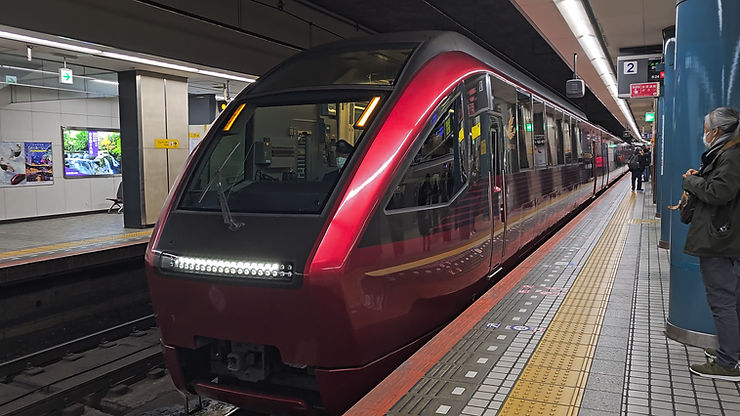
Tip: Some of the coolest trains or buses are not included in any JR pass. They may take a bit longer to get there but the experience and the price make it worth it. That’s how we felt when we went on the Hinotori Limited Express from Osaka to Nagoya (check out all the details in this post) .
What should you check before buying?
- Your route and dates. Count only journeys within the pass’s validity period.
- The full individual fare. Include the base fare and any required express or seat charges.
- Coverage and supplements. Check the actual train and route, not just the city names.
- Regional alternatives. Compare the lowest practical combination for your itinerary.
- Eligibility. Foreign tourists generally need Temporary Visitor entry status. Check the official requirements before paying.
- Seat reservations. The pass does not guarantee a seat. Standard reservations on covered services are included, but you still need to book them.
So, should you buy the JR Pass in 2026?
Decide your itinerary first, then choose your tickets.
If your covered journeys trips exceed the pass price, it may save you money and give you useful flexibility. If the numbers are close, consider the train options, reservation process, and whether your plans might change.
For a simple Tokyo–Kyoto round trip, just buying individual tickets instead of the pass leave a good amount of money available to budget the rest of your trip. For travel concentrated in one region, you should definitely check out a regional pass before paying for nationwide coverage.
You shouldn’t need to squeeze in another city to make a rail pass worthwhile. Choose the transportation that fits the Japan trip you actually want to take.
Sources:
Official JR Pass Website – Official coverage and exclusions, JR Pass FAQ, conditions of use, and reservation information.